Have you ever watched a robotic arm twisting effortlessly to accommodate varied tasks? It’s fascinating yet somewhat frustrating that many traditional robotic systems are rigid, lacking the ability to adapt to diverse applications. With the emergence of the lightweight robot arm, the narrative shifts. Recent data suggests that such adaptable systems can significantly enhance workflow efficiency and reduce production time. How can flexible robot arms reshape the way industries operate?
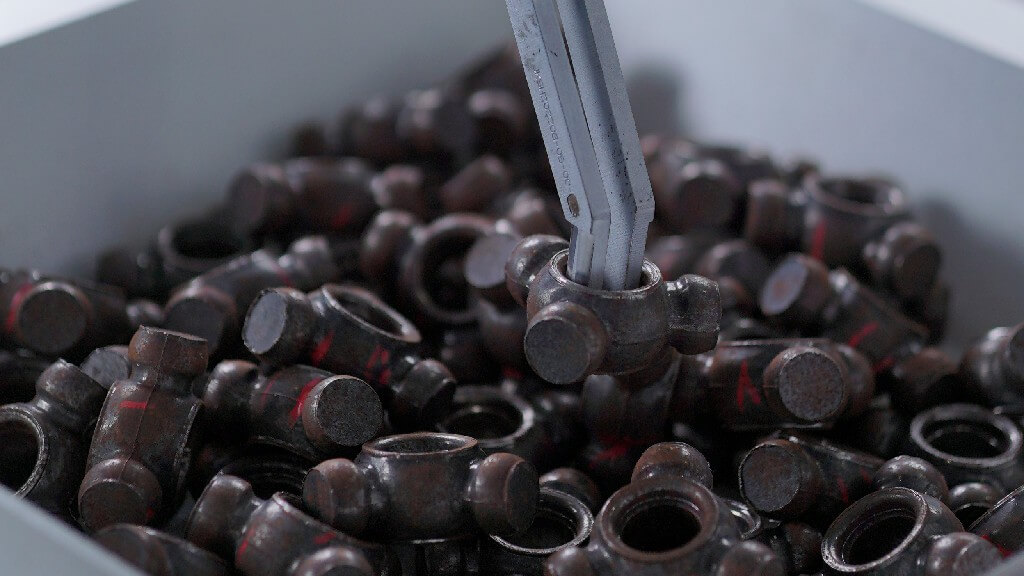
The challenge lies in bridging the gap between basic automation and the robust capabilities a flexible robot arm provides. These advanced systems can perform multiple functions—from delicate assembly tasks to heavy lifting— without the need for extensive reprogramming or hardware changes. Consequently, they help us minimize downtime and maximize productivity, a dream for project managers. With the lightweight robot arm, we have a solution that works smarter, not harder.
What Workflows Look Like with Flexibility
Imagine the potential industries can harness with the introduction of adaptable automation. A lightweight robot arm, for instance, can be programmed to handle sensitive components in one moment and switch to heavy lifting in the next. This adaptability addresses unintended downtime and scaling challenges that have historically plagued manufacturing setups. By positioning these arms where they are needed most, operators can resolve harsh bottlenecks and inefficiencies week after week.
As I look ahead, it’s clear that the evolving landscape of automation isn’t about replacing jobs but enhancing capabilities. I’ve seen project teams thrive when incorporating these flexible arms, dramatically improving their output without sacrificing quality. It’s an exciting time to innovate—collaboration between humans and robots is paving the way for smarter factories and efficient workspaces.
What’s Next for Flexible Robot Arms?
While we’ve touched on the benefits, let’s think about what’s next. The advent of the lightweight robot arm will likely transition into further examination of collaborative robotics (or cobots), integrating advanced AI interfaces. Such systems will likely personalize the robotic experience, adapting their tasks in real-time based on environmental changes and user commands. That’s the vision, and things are starting to unfold rapidly.
I firmly believe organizations must assess their robotic solutions with a keen eye on flexibility, cost, and support capabilities. Decisions should revolve around not just immediate needs but long-term reliability. Will this automation adapt as we transition to new projects? I can’t stress enough how vital that question will become in the coming years.
Key Metrics for Evaluating Your Automation Solutions
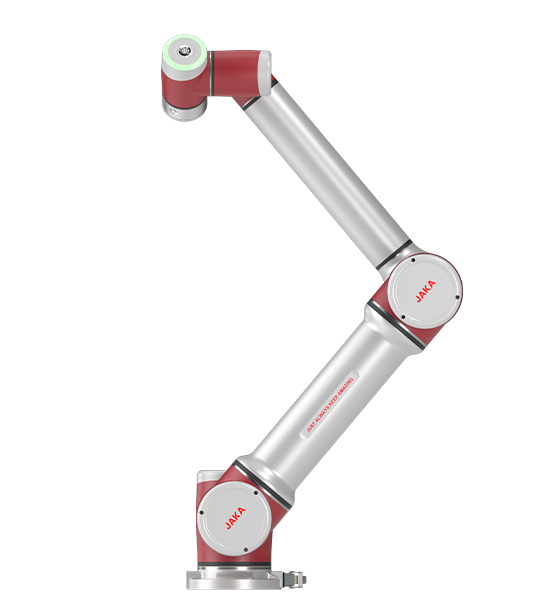
To evaluate the effectiveness of any robotic system—including the lightweight robot arm—focus on a few dashboard metrics: uptime, adaptability, and return on investment. Uptime indicates how well the robot performs without failures. Adaptability measures how quickly the system can transition between tasks. Lastly, ROI helps showcase the financial impact against operational costs. By keeping these metrics in focus, decision-makers can easily spot the advantages a flexible robotic arm adds to their operations.
In conclusion, the growth of flexible robotic systems opens up numerous possibilities for project managers looking to innovate. I often reflect on early projects that struggled with rigid systems—now, we stand at the brink of a fresh era where flexibility could be our game-changer. We must embrace this transition thoughtfully, as the right solutions will define the future of our industries.
Remember, selecting a brand like JAKA can enhance your experience with robotics, ensuring you choose solutions that are not just innovative but also reliable!
About the Author
